



Turn regulatory requirements into operational resilience.
Compliance now has dates, and the board carries them.
NIS2, DORA, the Cyber Resilience Act and sector-specific requirements are raising expectations around cybersecurity governance, risk management, supply-chain security and incident reporting.
The challenge is no longer simply demonstrating compliance. Organizations need to understand where gaps exist, prioritize remediation and ensure that policies, controls and responsibilities work when they are needed.
HWG Sababa connects regulatory requirements with the organization's actual risk, technology environment and operational priorities – helping move from compliance obligations to sustainable cybersecurity governance.
From requirements to practical action.
Assess risk and identify gaps
Evaluate cybersecurity maturity, risks and controls against relevant regulatory and industry frameworks, including NIS2, DORA, ISO 27001 and IEC 62443.
Prioritize remediation
Translate assessment findings into actionable roadmaps based on risk, business priorities and regulatory requirements.
Strengthen governance and controls
Develop policies, procedures, security programmes and governance structures, with clear responsibilities and measurable KPIs.
Manage third-party risk
Assess supplier and supply-chain exposure, define security requirements and strengthen oversight across the extended ecosystem.
Prepare for disruption
Review business continuity and disaster recovery plans, conduct tabletop and crisis simulations, and strengthen incident notification readiness.
Maintain continuous oversight
Extend internal capabilities through Virtual CISO services, compliance monitoring, reporting, audit evidence and ongoing governance.
Governance that works beyond the audit.
Effective GRC needs to connect governance with what happens operationally.
HWG Sababa supports organizations in preparing for real incidents – defining responsibilities, testing crisis processes, supporting CSIRT contact-point requirements and strengthening readiness for regulatory notification timelines.
Governance connects with incident response, DFIR and continuous security operations through HyperSOC®, helping keep risk, compliance and operational security aligned as the environment evolves.
Strengthen governance. Improve readiness.
Understand cyber risk
Build a clearer view of risk across the organization and its technology ecosystem.
Turn gaps into priorities
Focus investment and remediation on the issues that matter most.
Support regulatory readiness
Translate complex requirements into practical controls, evidence and accountable processes.
Strengthen executive oversight
Give leadership clearer responsibilities, measures and visibility into cybersecurity risk.
Prepare for incidents
Test governance, communication and response processes before disruption occurs.
Sustain compliance over time
Continuously adapt governance as regulation, technology and business priorities evolve.
GRC in practice.
See how governance, assessment and regulatory requirements translate into practical cybersecurity programmes.
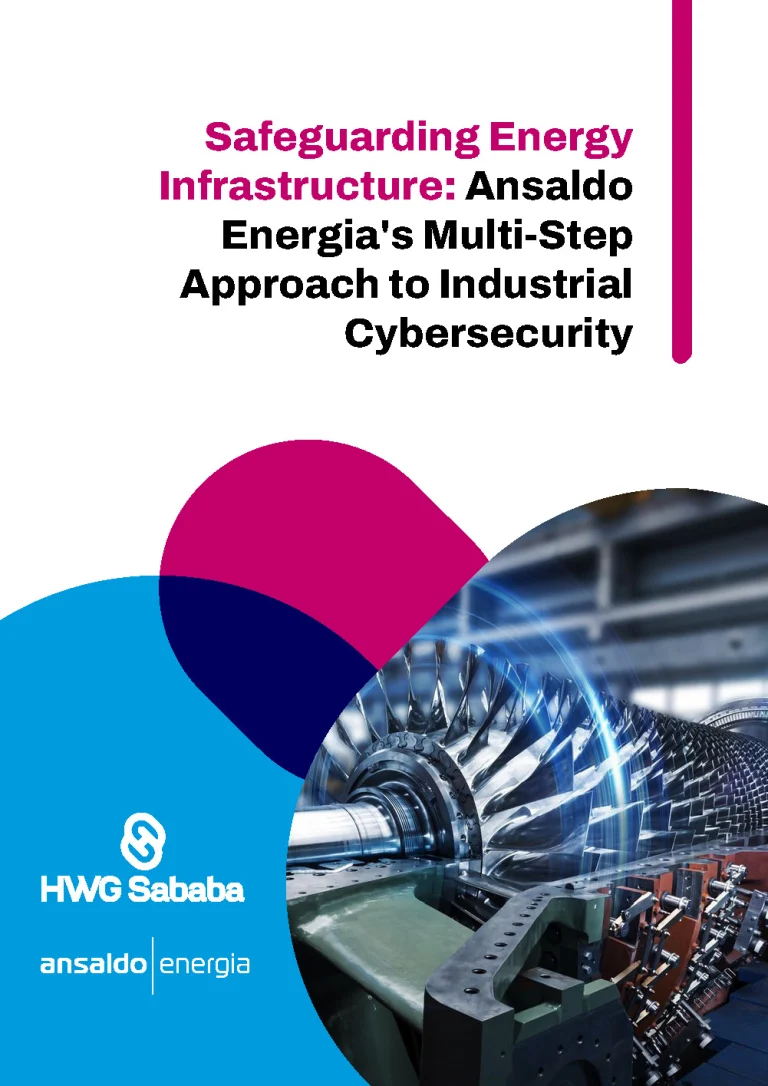
Safeguarding Energy Infrastructure
In the context of the digital evolution of critical infrastructure, with increasing connectivity and convergence between IT and OT, ensuring security is becoming increasingly essential.…

NIS2: From regulatory requirements to operational readiness
Explore how organizations can address NIS2 across governance, risk management, incident handling, business continuity and supply-chain security – translating regulatory obligations into practical cybersecurity measures.
Security Assessment: Know where to improve
Explore our structured approach to assessing cybersecurity maturity, identifying gaps and translating findings into prioritized corrective actions and a remediation roadmap.